


How to Avoid Fado Tourist Traps in Lisbon: The Local Insider Guide
Lisbon’s historic cobblestone streets are filled with the haunting melodies of Fado. But as the popularity of Portuguese culture has surged among international travelers, so has the number of commercial "tourist traps."
If you are visiting Lisbon from North America or Europe, finding a genuine, soul-stirring Fado performance can feel like navigating a minefield. Oversized venues, microphone-amplified shows, and rushed, low-quality dinners often leave travelers feeling disappointed and overcharged.
In this guide, we reveal the red flags of commercialized venues and show you how locals experience Fado the way it was meant to be heard.
3 Major Red Flags of a Fado Tourist Trap
Before booking a table or walking into a restaurant recommended by a street promoter, look out for these three common warning signs:
1. Mass-Capacity Rooms and Tour Bus Groups
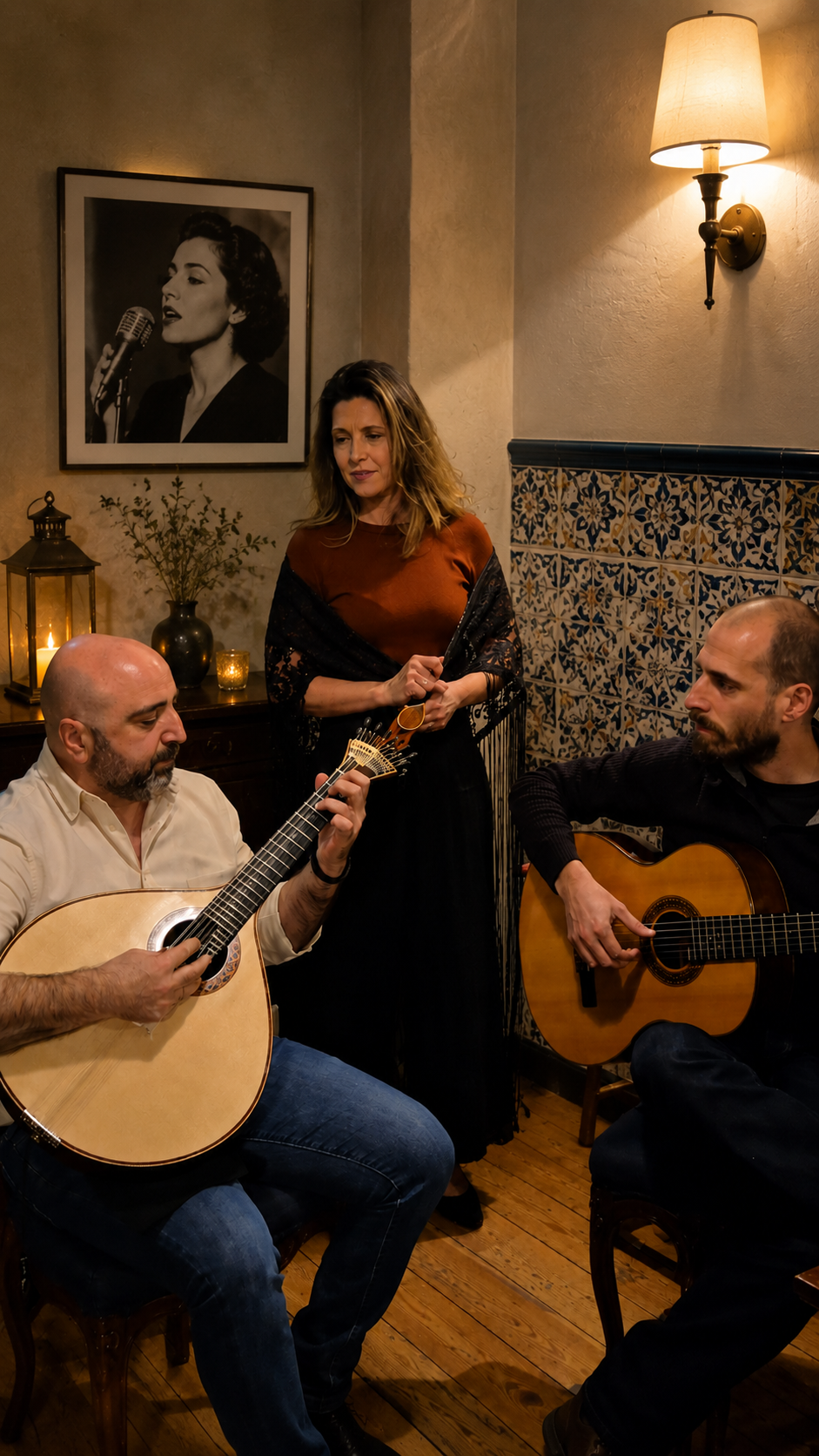
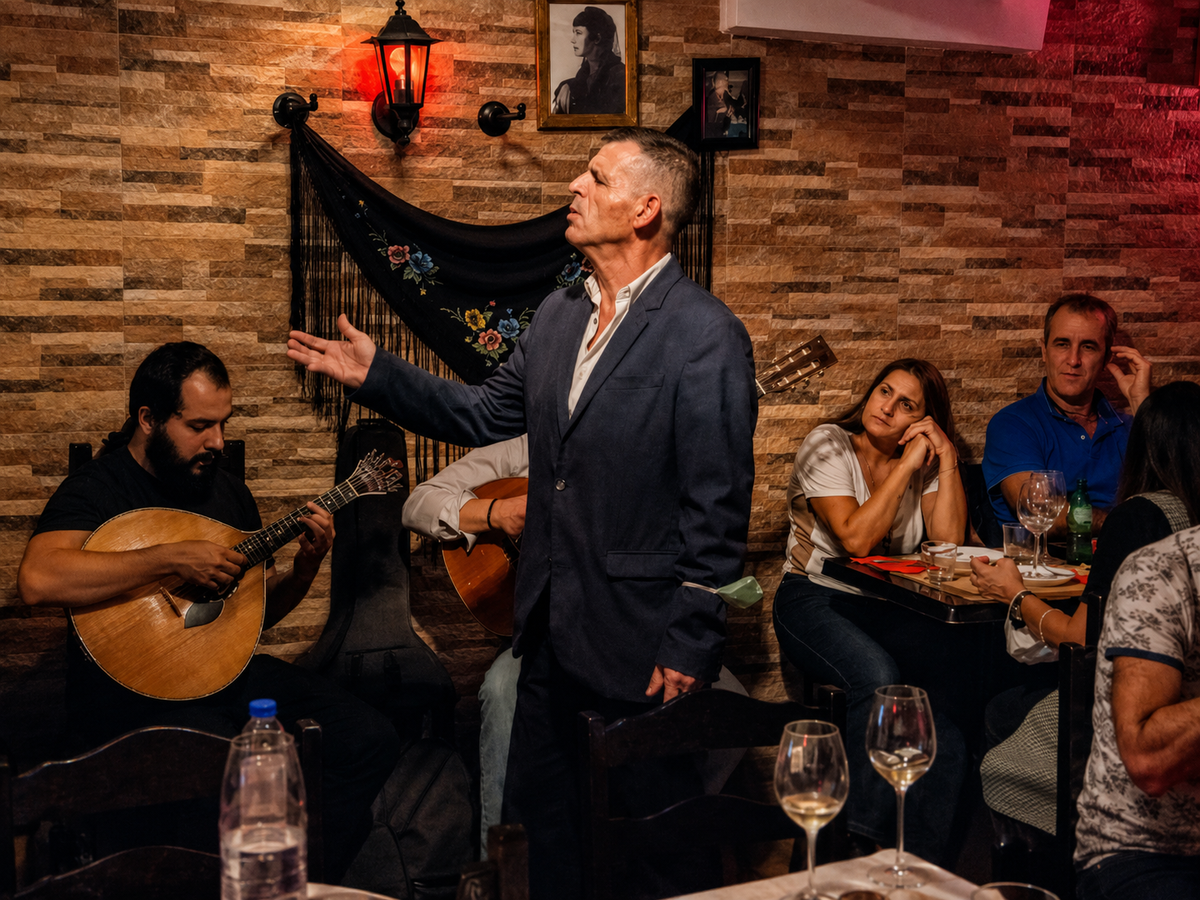
Authentic Fado is an intimate art form designed for small spaces where the singer's raw voice resonates off stone walls. If a venue seats 100+ people or regularly hosts large tour bus groups, the atmosphere shifts from a cultural ritual to a commercial factory.
2. Microphones, Loudspeakers, and Stage Lighting
Traditional Fado is 100% acoustic. True Fadistas (singers) and classical guitarists do not use microphones or heavy sound systems. If you see amplifiers, stage spotlights, or booming speakers, you are watching a commercial stage production, not an authentic Fado gathering.
3. Aggressive Street Promoters (Buttadentro)
Quality Fado venues rely on their reputation, acoustics, and advance reservations. Venues that employ aggressive street promoters to herd tourists inside often sacrifice food quality and musical authenticity for high turnover.
What Makes an Authentic Fado Experience?
To feel the true soul of Portugal, look for venues that honor these core traditional elements:
-
Small, Cozy Spaces: Venues with fewer than 30–40 seats ensure every guest is close to the musicians.
-
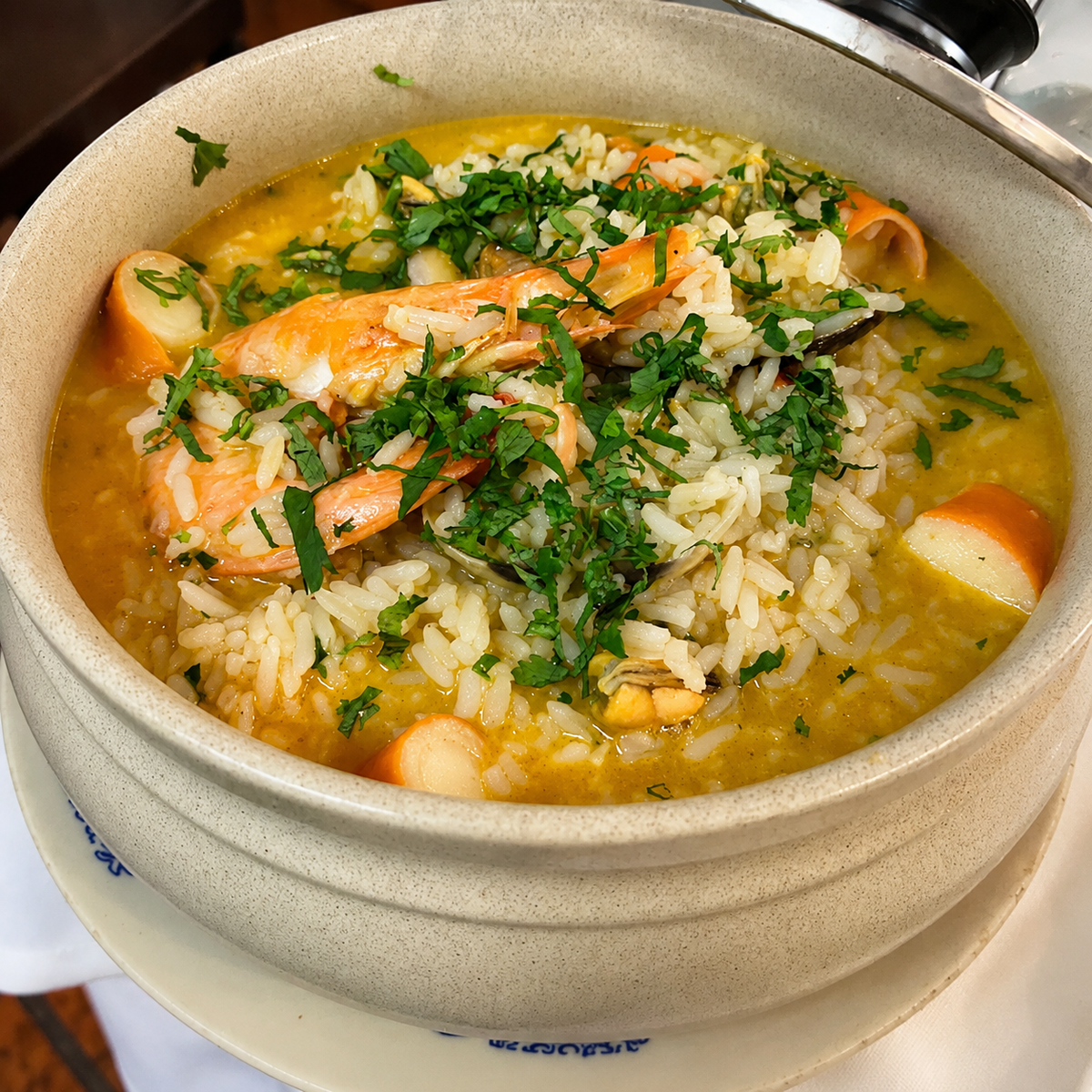
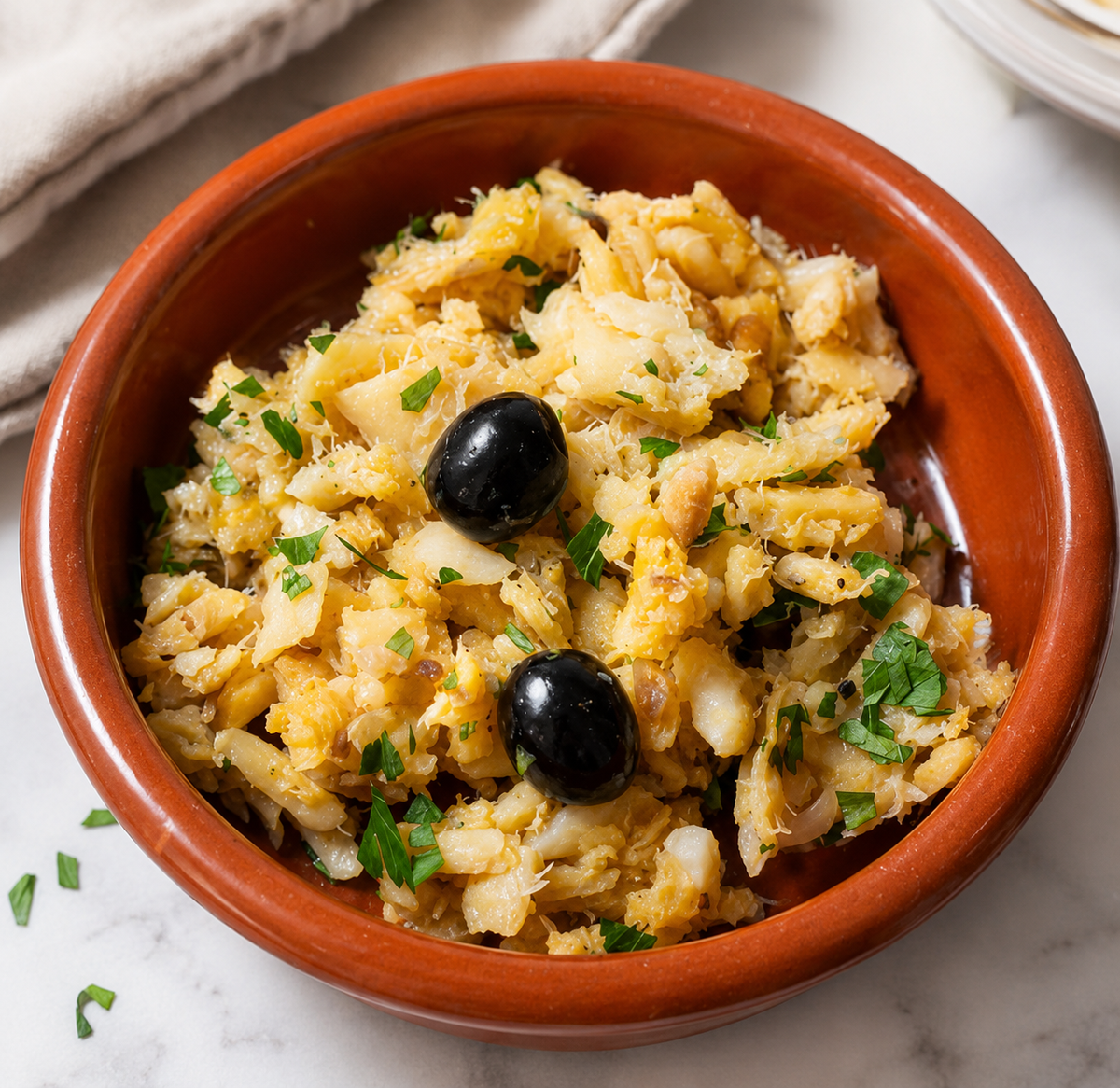
Food as a Pillar: Gastronomy and Fado go hand-in-hand. An authentic Fado house takes pride in serving fresh, traditional Portuguese dishes rather than pre-made tourist menus.
-
Respectful Silence: The venue enforces the traditional rule of absolute silence while the music is playing, allowing guests to fully connect with the emotion of the singer.
[IMAGE PLACEHOLDER: Traditional Portuguese petiscos board and wine on a wooden table. ALT TEXT: Traditional Portuguese food and wine served in an intimate Lisbon Fado house]
Insider Tip: How to Guarantee Your Reservation Safely
Because genuine, small-scale Fado houses keep their guest capacity intentionally low to preserve acoustics and intimacy, tables sell out days in advance.
Furthermore, automated third-party booking widgets, generic Google Maps buttons, or street promoters often do not reflect real-time table availability, leading to overbooking or friction at the door.
To guarantee your entry, personalized dietary attention, and a direct line to your host, always reserve directly through a venue's official website or direct message desk rather than unverified third-party brokers.
Frequently Asked Questions (FAQ)
Is Fado suitable for a romantic dinner?
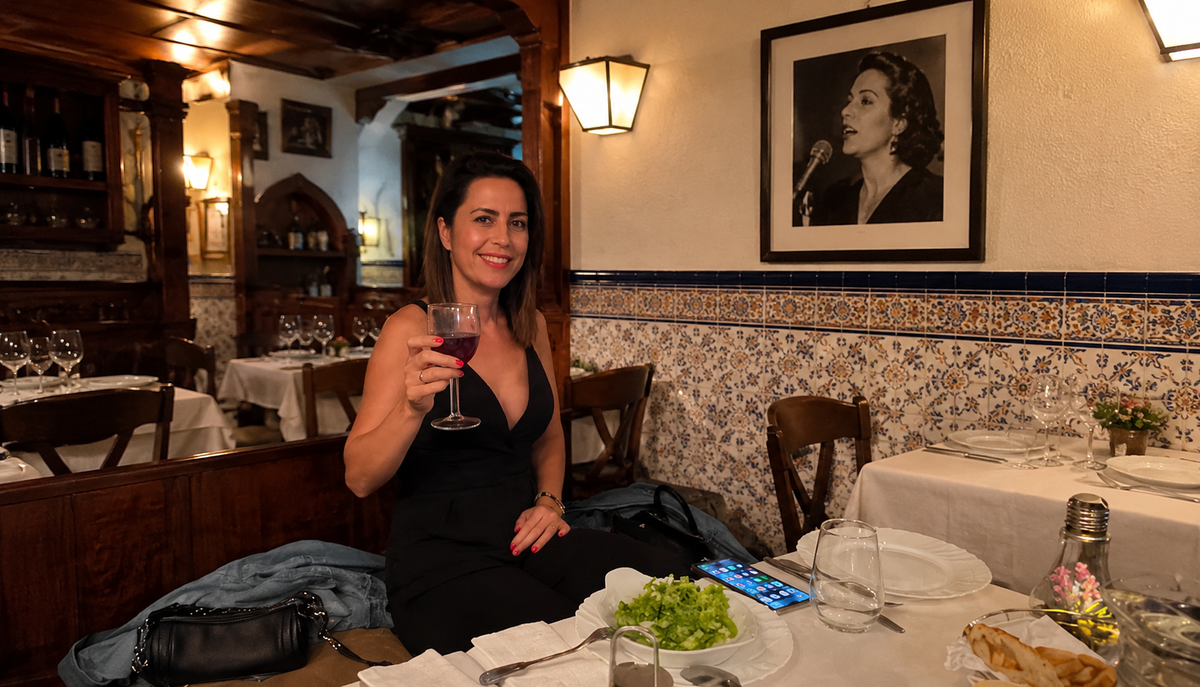
Absolutely. The combination of candlelit dining, soulful acoustic music, and fine Portuguese wine makes a traditional Fado night one of the most romantic experiences in Lisbon.
What is the difference between à la carte and a full tasting menu?
An à la carte option gives you full flexibility to choose your favorite dishes and wine during the performance breaks, while a full tasting menu provides a curated multi-course journey through traditional Portuguese gastronomy.
Can I book on the same day?
Same-day bookings are extremely rare at authentic spots. To guarantee a table at a small-scale venue, we strongly recommend reserving at least 3 to 5 days in advance.